Skip to content
THE INDIAN GEEKAVIATION CONNECTS THE WORLD / ADVERTISING SHAPES HOW WE SEE ITEXPLORE THE INDIAN AVGEEK ↗
THE INDIAN ADGEEK EPISODE 004EDITORIAL KNOWLEDGE EDITION
ADVERTISING / THE BUSINESS OF BRANDS

What makes the client relationship work

Kunal Jeswani discusses client trust, scope creep and pricing alongside the work of leading creative teams across India and ASEAN.

WITH KUNAL JESWANI 20 JUL 2025 69 MIN

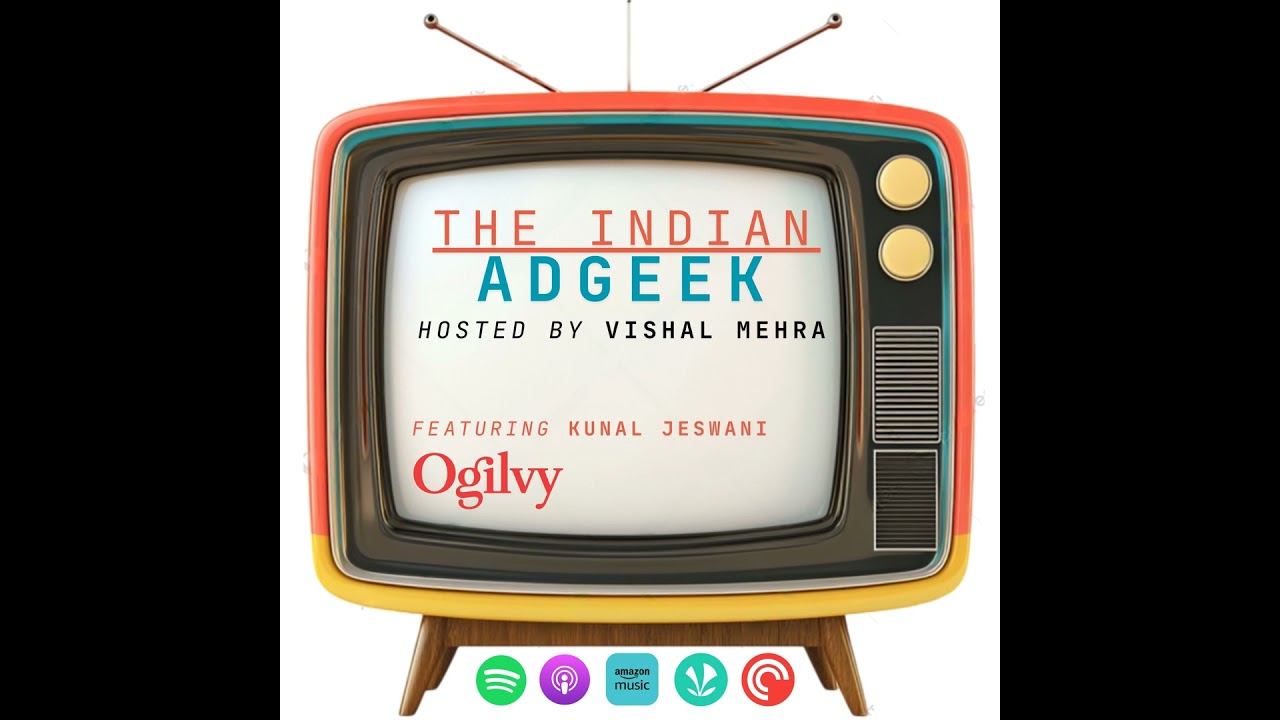
What makes the client relationship work episode artwork
THE INDIAN ADGEEK004 / VIDEO PODCAST
PLAY THE AUDIO HEREEpisode 4 · Full conversationAudio plays directly on The Indian Geek.
THE CENTRAL QUESTION / WHAT YOU NEED TO KNOW
01 / THE QUESTION

What sustains an agency–client relationship when creative ambition meets commercial pressure?

02 / THE CONVERSATION IN BRIEF

Kunal Jeswani argues for frank relationships, proactive ideas and disciplined leadership while challenging speculative pitching and poorly defined fees.

03 / THE EDITORIAL LENS

A trusted partnership still needs clear scope, commercial boundaries and a shared understanding of where the agency adds value.

01 / THE DEEP READ

Editorial analysis

An editorial interpretation of the conversation, distinguishing the guest’s arguments from verified business outcomes.


A CEO’s balance sheet of trust


Kunal Jeswani describes agency leadership through relationships, people and financial discipline. Reflecting on his move from India to Singapore and Malaysia, he distinguishes familiar business mechanics from the harder work of earning trust in a new environment. In India, established colleagues and mentors provided a strong support system; moving markets meant building relationships again and working with a more culturally varied team. His ambition across ASEAN is to connect specialist capabilities while recognising the distinct teams and conditions in each market.


Unfinished ideas and honest client relationships


For Jeswani, a CEO should remove obstacles that prevent teams from serving clients well. Good relationships allow direct, honest conversations about both problems and successes. He recalls learning from Piyush’s habit of sharing ideas with clients as they occurred, without waiting for a finished presentation: the gesture showed continuing attention to the client’s business. His account of repairing a difficult Tata Motors relationship adds a qualification: trust requires commitment from both sides, sustained listening and shared goals that can be reviewed over time. It cannot be restored by an agency’s promise alone.


How creative pride becomes operational


Creative ambition also needs room to operate. In Singapore, Jeswani says tightly allocated client time had squeezed proactive work. He and his creative partner set an ambition for work people would feel proud to share personally, with awards treated as one possible outcome. Commercially, he criticises unpaid pitching and negotiating fees after substantial creative effort has already been invested. He then qualifies his criticism of process: people do manage new-business pipelines, but he believes the industry should manage them better. On existing accounts, he separates extra time spent on unchanged deliverables from poorly defined scope, and explains why estimates must account for each client’s approval hierarchy and working processes.


Using AI to improve the work


Jeswani’s AI argument centres on improving quality. He describes using an assistant to challenge a problem definition, explore alternative solutions and sharpen execution, while people evaluate the results at every stage. He allows that some research tasks may become easier, but warns that removing strategists, creatives or account managers to cut costs risks weaker work. He also points to social platforms, commerce and influencers as connected shifts in client demand. For newcomers, his advice is to master changing tools while preserving the independent thought and creative judgment that give those tools a useful purpose.

EDITORIAL THESIS

Client trust is built by telling the truth before presenting the finished idea.

EXPLAINING THE ARGUMENTEDITORIAL / 01

Four pillars of a durable agency–client partnership

An editorial visualisation of the relationships and choices discussed in this episode.

01Earn trustShare unfinished thinking and difficult truths constructively
02Enable peopleRemove obstacles so teams can deliver ambitious work
03Define economicsProtect scope, pitching effort and fair remuneration
04Improve resultsUse creative judgement and new tools to raise quality
Editorial framework from Episode 3. It is not a claim that any single practice guarantees client retention or commercial outcomes.

02 / EXPLORE THE ARGUMENT

Questions & answers

What does Jeswani regard as the agency CEO’s central job?


Jeswani frames the CEO’s responsibilities as trusted client relationships, attracting and retaining strong people, and keeping the business financially healthy; removing obstacles connects the three.


Why share an unfinished idea with a client?


Sharing an unfinished idea can signal that the agency is thinking about a client’s business between formal briefs and presentations, provided the relationship supports that openness.


How can an agency rebuild a damaged relationship?


His Tata Motors example makes relationship repair a mutual undertaking: explicit intent, senior access, shared goals and sustained follow-through are all part of rebuilding trust.


What is the difference between time creep and scope creep?


He distinguishes time creep from scope creep: unchanged deliverables can still consume more hours, while ambiguous definitions create disagreements about what was included.


Why can identical deliverables require different fees?


Scoping needs the client lead’s knowledge of approval layers and working processes as well as historical resource estimates; identical deliverables can require different effort for different clients.

03 / TRANSPARENCY

Sources & attribution

Supporting references and reporting notes. Select a reference to visit its source.

Original publisher audio (archived enclosure): Original publisher audio (archived enclosure).


Podcast episode on Spotify: Podcast episode on Spotify.


Podcast video on YouTube: Podcast video on YouTube.


Original publication: The Indian AdGeek, Episode 04, featuring Kunal Jeswani; original publisher date: 2025-07-20.


Method and attribution: This analysis and the five Q&As are editorial syntheses, not verbatim statements or substitutes for listening to the original conversation. Guest judgments, examples, forecasts and reported business metrics should not be confused with independently audited findings. Research timestamps do not represent podcast chapter timings.

THE INDIAN ADGEEK / EDITORIAL EDITION 004EXPLORE MORE BRIEFINGS ↗
THE INDIAN GEEKAVIATION CONNECTS THE WORLD. ADVERTISING SHAPES HOW WE SEE IT.

ADGEEK

What makes the client relationship work

Kunal Jeswani discusses client trust, scope creep and pricing alongside the work of leading creative teams across India and ASEAN.

The conversation

Kunal Jeswani discusses client service, creative leadership and the business of running an agency across India and ASEAN. He reflects on how the creative CEO role has changed, leading varied teams and building work that contributes to clients’ business outcomes.

The conversation examines agency-client trust, new-business pitching and commercial negotiation, scope creep and the challenge of pricing work for the resources and client processes it requires. Jeswani also considers the effect of AI and digital platforms on agency practice and the continuing role of human creativity.

Key Takeaways

  1. Client service, creative leadership and team management are presented as connected responsibilities of an agency CEO.
  2. The interview links client partnerships, scope and time creep, and client-specific resource estimates to agency profitability.
  3. Jeswani criticises pitch economics while clarifying that people do manage new-business pipelines.
  4. Kunal considers AI and digital platforms as pressures on agency work without treating their future effects as settled.

Additional subjects

Editorial analysis

An editorial interpretation of the conversation, distinguishing the guest’s arguments from verified business outcomes.


A CEO’s balance sheet of trust


Kunal Jeswani describes agency leadership through relationships, people and financial discipline. Reflecting on his move from India to Singapore and Malaysia, he distinguishes familiar business mechanics from the harder work of earning trust in a new environment. In India, established colleagues and mentors provided a strong support system; moving markets meant building relationships again and working with a more culturally varied team. His ambition across ASEAN is to connect specialist capabilities while recognising the distinct teams and conditions in each market.


Unfinished ideas and honest client relationships


For Jeswani, a CEO should remove obstacles that prevent teams from serving clients well. Good relationships allow direct, honest conversations about both problems and successes. He recalls learning from Piyush’s habit of sharing ideas with clients as they occurred, without waiting for a finished presentation: the gesture showed continuing attention to the client’s business. His account of repairing a difficult Tata Motors relationship adds a qualification: trust requires commitment from both sides, sustained listening and shared goals that can be reviewed over time. It cannot be restored by an agency’s promise alone.


How creative pride becomes operational


Creative ambition also needs room to operate. In Singapore, Jeswani says tightly allocated client time had squeezed proactive work. He and his creative partner set an ambition for work people would feel proud to share personally, with awards treated as one possible outcome. Commercially, he criticises unpaid pitching and negotiating fees after substantial creative effort has already been invested. He then qualifies his criticism of process: people do manage new-business pipelines, but he believes the industry should manage them better. On existing accounts, he separates extra time spent on unchanged deliverables from poorly defined scope, and explains why estimates must account for each client’s approval hierarchy and working processes.


Using AI to improve the work


Jeswani’s AI argument centres on improving quality. He describes using an assistant to challenge a problem definition, explore alternative solutions and sharpen execution, while people evaluate the results at every stage. He allows that some research tasks may become easier, but warns that removing strategists, creatives or account managers to cut costs risks weaker work. He also points to social platforms, commerce and influencers as connected shifts in client demand. For newcomers, his advice is to master changing tools while preserving the independent thought and creative judgment that give those tools a useful purpose.

Questions & answers

What does Jeswani regard as the agency CEO’s central job?


Jeswani frames the CEO’s responsibilities as trusted client relationships, attracting and retaining strong people, and keeping the business financially healthy; removing obstacles connects the three.


Why share an unfinished idea with a client?


Sharing an unfinished idea can signal that the agency is thinking about a client’s business between formal briefs and presentations, provided the relationship supports that openness.


How can an agency rebuild a damaged relationship?


His Tata Motors example makes relationship repair a mutual undertaking: explicit intent, senior access, shared goals and sustained follow-through are all part of rebuilding trust.


What is the difference between time creep and scope creep?


He distinguishes time creep from scope creep: unchanged deliverables can still consume more hours, while ambiguous definitions create disagreements about what was included.


Why can identical deliverables require different fees?


Scoping needs the client lead’s knowledge of approval layers and working processes as well as historical resource estimates; identical deliverables can require different effort for different clients.

Sources & attribution

Original publisher audio (archived enclosure): Original publisher audio (archived enclosure).


Podcast episode on Spotify: Podcast episode on Spotify.


Podcast video on YouTube: Podcast video on YouTube.


Original publication: The Indian AdGeek, Episode 04, featuring Kunal Jeswani; original publisher date: 2025-07-20.


Method and attribution: This analysis and the five Q&As are editorial syntheses, not verbatim statements or substitutes for listening to the original conversation. Guest judgments, examples, forecasts and reported business metrics should not be confused with independently audited findings. Research timestamps do not represent podcast chapter timings.

THE INDIAN GEEK

Aviation connects the world.
Advertising shapes how we see it.