01 / THE DEEP READ
Editorial analysis
An editorial interpretation of the conversation, distinguishing the guest’s arguments from verified business outcomes.
The commercial case for trust
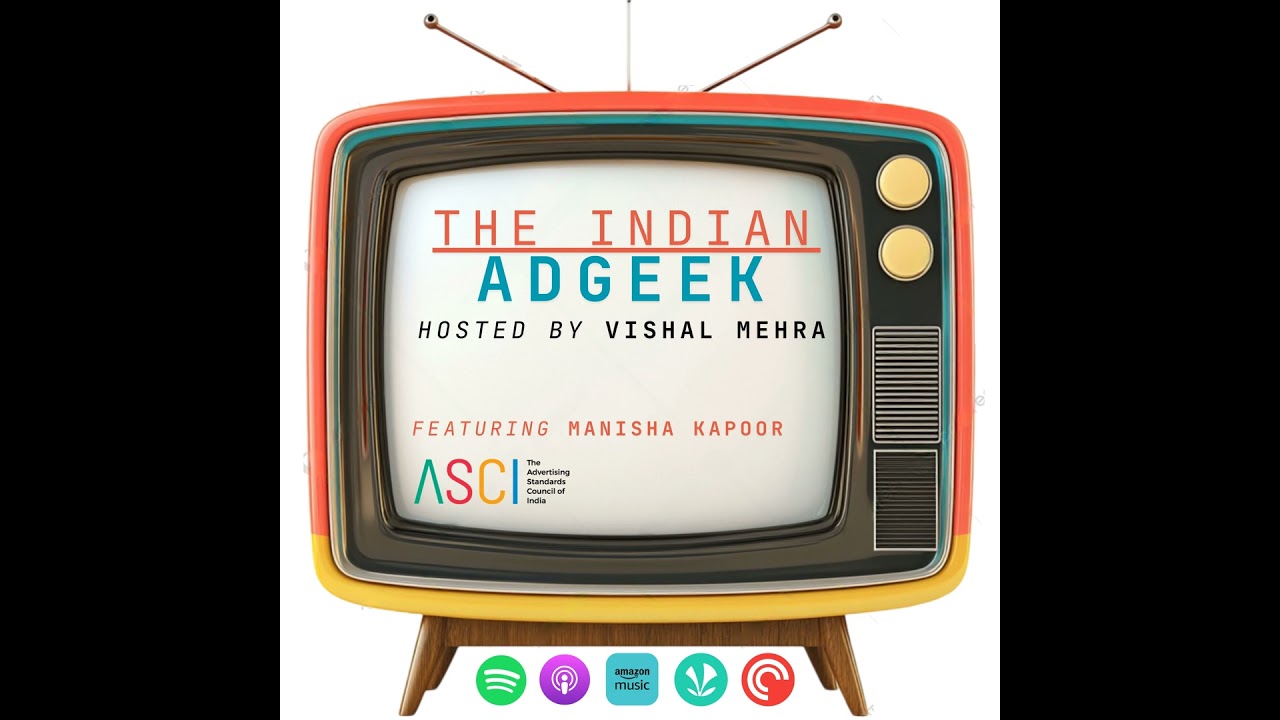
Manisha Kapoor connects honest advertising with the long-term commercial health of a brand. Reflecting on brand management and consulting, she describes learning to see brands through human motivations rather than only through categories or consumption. In this conversation, published in November 2025, ASCI’s chief executive argues that consumer protection and business success can serve the same goal: earning trust. Her tennis-court analogy treats common boundaries as a framework for creative work. She also describes international self-regulation as an exchange: India contributes an optimistic, entrepreneurial approach to technology while learning from more established organisations about preventing problems before advertisements reach audiences.
What self-regulation can and cannot do
Kapoor distinguishes voluntary self-regulation from existing legal obligations. In her account of the self-declaration certificate regime at the time, it reinforced compliance duties rather than making previously optional legal compliance mandatory. She describes ASCI’s process as combining outside complaints and its own monitoring, an advertiser’s opportunity to respond with evidence, technical advice where needed, and a jury with a civil-society majority. Sector conflicts require recusal, she explains. Recommendations can be appealed, while continued non-compliance is referred to relevant regulators. Her discussion of faster complaint handling highlights a practical tension: short-lived digital advertising demands speed, but advertisers still deserve a fair and reasoned process.
Synthetic content and advertiser responsibility
On AI, she focuses on the truthfulness and consumer impact of the message rather than the production tool. Easier production can expand the scale of deception, but she sees room for valuable creative uses. Her approach to disclosure turns on whether knowing an image was generated would materially affect a consumer’s decision; an invented hotel room illustrates that concern. She places ultimate responsibility with the advertiser while stressing collective responsibility across the ecosystem and a stronger platform role when fraudulent advertisers are involved. Her comments on personalisation connect consumer comfort with consent, within the privacy-policy discussion of that period.
Dark patterns, influencers and consent
Dark patterns and undisclosed influencer promotions bring the trust argument into everyday digital experiences. Kapoor describes difficult account exits, pressured decisions and misleading price presentation as practices that erode confidence. The host qualifies a headline influencer non-compliance figure as applying to ads selected for scrutiny; Kapoor separately challenges leading influencers to establish honest norms. She disputes the belief that disclosure necessarily undermines effective content. Cross-border advertising and fragmented enforcement, she argues, demand closer coordination among regulators, industry and platforms. For future formats and young professionals alike, her recurring tests are honest communication, informed consumer choice, creative ambition and a clear ethical compass.
Consumer trust is a creative constraint worth designing for, not an afterthought.
Four checkpoints for responsible advertising
An editorial visualisation of the relationships and choices discussed in this episode.
02 / EXPLORE THE ARGUMENT
Questions & answers
Can consumer protection strengthen a brand commercially?
Kapoor sees honest advertising as an investment in consumer trust, with shared creative boundaries helping brands compete for the long term.
Did the self-declaration regime make legal compliance mandatory for the first time?
In her interview-period explanation, self-declaration reinforced existing compliance duties; she rejects the idea that compliance with law had previously been voluntary.
How does ASCI balance speed with a fair process?
Kapoor describes complaint handling as a balance between speed and fairness, with advertiser evidence, technical input, a civil-society-majority jury and appeal routes.
When should synthetic content be disclosed?
For AI advertising, she prioritises truthful claims and disclosure where synthetic content materially affects an informed purchase decision, rather than treating every use of AI alike.
How should readers interpret influencer non-compliance figures?
The host’s influencer non-compliance figure concerns ads picked for scrutiny; Kapoor’s separate criticism of leading influencers should also be read within its stated study sample.
03 / TRANSPARENCY
Sources & attribution
Supporting references and reporting notes. Select a reference to visit its source.
Original publisher audio (archived enclosure): Original publisher audio (archived enclosure).
Podcast episode on Spotify: Podcast episode on Spotify.
Podcast video on YouTube: Podcast video on YouTube.
Original publication: The Indian AdGeek, Episode 13, featuring Manisha Kapoor; original publisher date: 2025-11-23.
Method and attribution: This analysis and the five Q&As are editorial syntheses, not verbatim statements or substitutes for listening to the original conversation. Guest judgments, examples, forecasts and reported business metrics should not be confused with independently audited findings. Research timestamps do not represent podcast chapter timings.
Regulatory qualification: Self-regulation and legal requirements are discussed in the November 2025 context; sample-limited influencer compliance figures should not be generalised to all influencer advertising.