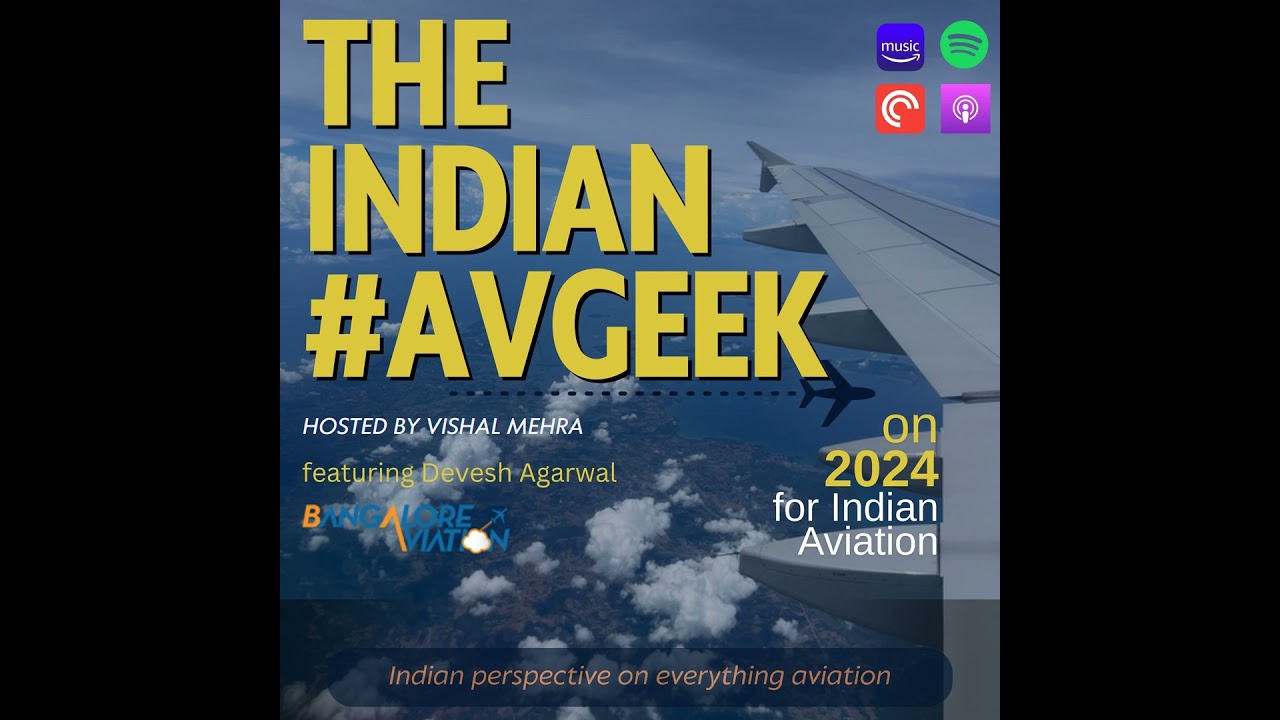
01 / THE DEEP READ
Editorial analysis
Metamorphosis is not the same as resilience
Devesh Agarwal calls 2024 a year of “metamorphosis”, but the term masks two sharply different changes. At one level, the regulatory framework was being rewritten and airline groups were consolidating. At another, the economics of running aircraft were diverging from the headline story of rising passenger demand. IndiGo had delivered exceptional full-year profitability but subsequently reported a loss in the September 2024 quarter. Akasa was building a competent operation without receiving its Boeing aircraft quickly enough to scale it. Jet Airways and Go First showed how difficult it is to preserve aviation value after flying stops.
Regulation and the substance of reform
The discussion is strongest when it moves beyond airline names to the mechanisms underneath them. Agarwal questions whether the Bharatiya Vayuyan Adhiniyam would meaningfully improve regulatory independence, and whether airport disruption procedures were being modernised as thoroughly as temporary infrastructure. For IndiGo, he distinguishes a strong annual result from quarterly cost pressure: more passengers and higher unit revenue do not guarantee profit if unit costs rise faster. Engine groundings, airport charges and the limits of domestic fare growth put international expansion and a more premium cabin proposition in a different light. IndiGoStretch and the A350 order are interpreted as signs of a business model adapting to new markets, rather than a repudiation of low-cost discipline.
The IndiGo profitability paradox
Akasa’s case is almost the reverse. Agarwal sees operational competence and an experienced management team, yet argues the order backlog and delivery bottleneck create a mismatch between staff capacity and aircraft utilisation. His assessment of Boeing versus Airbus is not simply about preferred aircraft: a new entrant has to secure realistic delivery positions against substantially larger customers. He also argues that the value of experienced airline executives should not be judged solely by the number of aircraft currently in service.
Akasa’s growth constraints and the failure of airline revivals
The final section brings the cost of failure into view. With Jet Airways in liquidation and Go First’s aircraft leaving the country, a brand or landing slot cannot be assumed to survive the insolvency process. Agarwal argues that the stakeholders least able to recover value may be employees, suppliers and exposed lenders. The episode’s unifying theme is therefore not growth but resilience: a sector can gain passengers and announce orders while remaining vulnerable to engine shortages, capital allocation, cost escalation and weak insolvency outcomes.
A growing passenger market does not automatically create resilient airline balance sheets.
Four ways the 2024 industry changed
An editorial visualisation of the relationships and choices discussed in this episode.
02 / EXPLORE THE ARGUMENT
Questions & answers
Which single word characterises Indian aviation in 2024?
‘Metamorphosis’, citing law, airline consolidation, premium cabins, new entrants and exits.
What was the most significant ministry or DGCA change?
The new statute mattered, but independence and useful operational procedures remained concerns.
How did IndiGo perform in 2024?
An outstanding prior full year had given way to a weak September 2024 quarter as costs and aircraft-grounding pressures rose.
How did Akasa fare and what should it prioritise?
Competent operations and leadership, but aircraft deliveries, funding, crew availability and utilisation were decisive.
Could Jet Airways or Go First return?
He regarded both airline businesses as effectively finished and criticised the damage to assets and creditors in their insolvency processes.
03 / TRANSPARENCY
Sources & attribution
Supporting references and reporting notes. Select a reference to visit its source.
Original conversation: The Indian AvGeek — Episode 20. Published 22 December 2024.
Historical context: This is an editorial analysis of a conversation recorded and released in December 2024. Guest assessments, future plans, regulatory proposals and commercial claims reflect that historical discussion and are not presented as current, independently verified developments.
Editorial method: Questions and answers are carefully edited explanatory paraphrases—not verbatim interview quotations. Commentary, figures and claims requiring updated verification should be checked against the recording and contemporaneous official sources before final public release.