01 / THE DEEP READ
Editorial analysis
An airline operator’s costly perspective
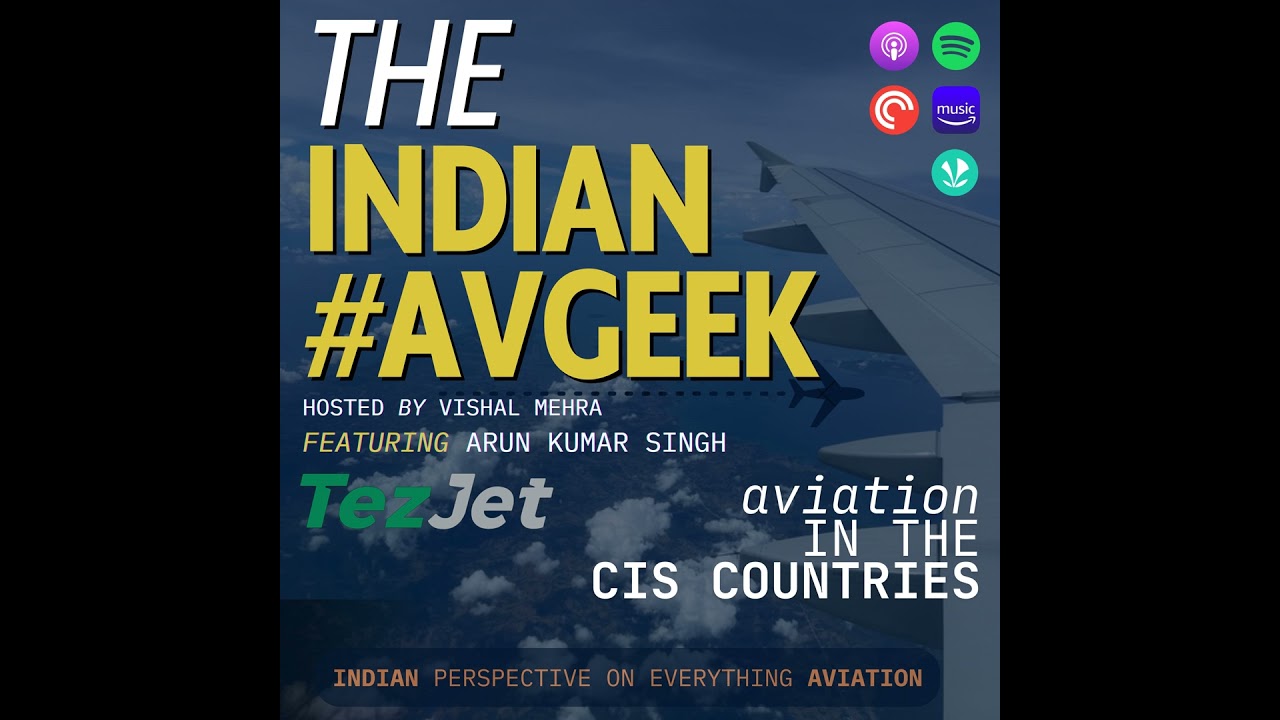
Arun Kumar Singh’s career across Indian airlines and his subsequent work at Kyrgyzstan’s TezJet turn this interview into an unusually candid study of aviation trade-offs. The provocative element is the aircraft: older MD-83 and Avro RJ85 jets that appear incompatible with a technology-led industry. Singh argues that acquiring an airworthy, economically available aircraft can be preferable to pursuing newer equipment that a small operator cannot presently obtain at a viable price. This is a financing and availability argument, not proof that older aircraft are intrinsically cheaper on every route or safer than newer aircraft.
The real economics of ageing fleets
The conversation addresses the constraints often omitted from simple fleet comparisons. Older aircraft can bring lower capital costs but greater exposure to fuel burn, maintenance events, engine overhaul capacity and life-limited parts. Singh describes specific partners supporting these engines and explains how supply pressures shaped the alternatives he considered. He also describes aircraft certification and operating permissions, including why a particular aircraft type cannot simply be purchased and introduced into any international market. These are the practical boundaries within which a chief executive must work, not footnotes to a route-launch press release.
Selling a route before the market exists
His Delhi–Bishkek plan goes beyond a contest of fares against connecting services. A direct flight competes on door-to-door journey time and can help create demand to a destination Indian tourists know less well. Singh describes the need for destination awareness, partner promotion and repeated service. TezJet formally announced an intended weekly MD-83 Bishkek–Delhi service from 7 December 2025. The airline’s announcement establishes the plan, but must not be used by itself to claim that services subsequently operated continuously or profitably.
Regional policy and airport readiness
The most pointed section concerns India’s regional connectivity policy. Singh argues from his IndiaOne Air and airport-operating experience that subsidies cannot compensate for basic runway, obstacle-clearance and infrastructure deficiencies. His criticism is strongly framed and should remain attributed. He describes operational setbacks at a regional airport and says targeted public infrastructure investment could do more than subsidising seats on an airport that is not serviceable. The lasting editorial question is where state support produces a durable network rather than merely a brief scheduled flight.
What failed airlines can teach investors
Finally, Singh reflects on Jet Airways, Kingfisher and India’s airline failures. He rejects the easy claim that airline investment is inherently doomed and instead places weight on governance, capital discipline and unrealistic fleet decisions. He offers anecdotal financial comparisons and candid recollections of widebody planning; neither should be mistaken for audited industry-wide return data.
A cheap aircraft to acquire can be expensive to operate and maintain.
The regional airline's older-fleet trade-off
An editorial visualisation of the relationships and choices discussed in this episode.
02 / EXPLORE THE ARGUMENT
Questions & answers
Why keep operating older jets?
Singh says availability, condition and affordability constrained his replacement options, alongside operational support arrangements.
What can go wrong in old-aircraft economics?
Engine overhaul/LLP issues, spare availability, maintenance and type-approval restrictions can defeat an attractive purchase price.
What does Delhi–Bishkek offer travellers?
An alternative to indirect routings and surface transfers, with the potential to create interest in Kyrgyzstan as a destination.
What is Singh’s objection to UDAN?
He argues that airport readiness, runway obstacles and basic certification problems may matter more than subsidised airline operations.
What did he learn from India’s airline failures?
He emphasises leadership choices, financing discipline and fleet procurement; the episode supplies his experience, not audited comparative failure research.
03 / TRANSPARENCY
Sources & attribution
Supporting references and reporting notes. Select a reference to visit its source.
Original interview: The Indian AvGeek — Episode 55. Published 30 November 2025.
Editorial context: This is a researched interpretation of the original conversation, not a verbatim transcript. Guests’ statements, forecasts and business or policy assessments are presented in their original 2025 context; they should not be treated as independently verified current conditions.
Editorial Q&A: Questions and answers are explanatory paraphrases, not quotations from the speakers.
Verification note: The interview’s accounts of airline failures, shareholder returns and regional-air-service subsidies are attributed to the guest; independently audited financial and regulatory findings require separate verification.