01 / THE DEEP READ
Editorial analysis
Finance starts with choosing the right asset
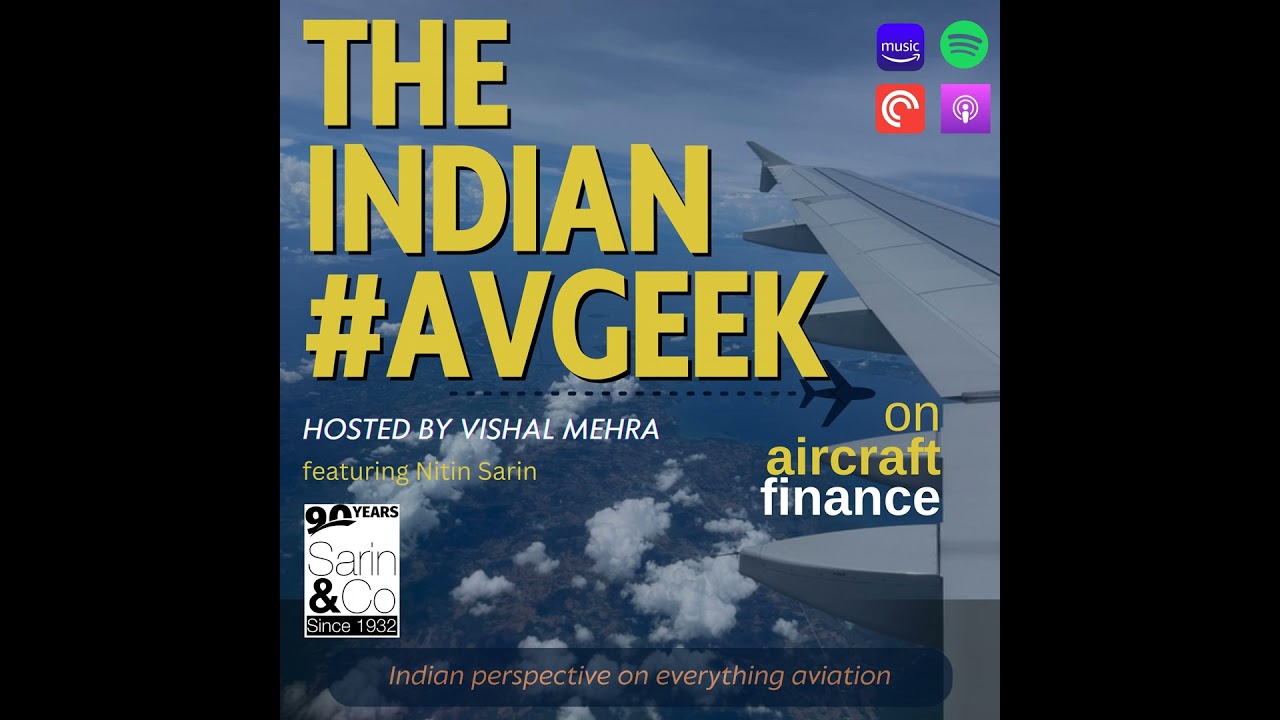
Aircraft finance begins before a lease is signed. Nitin Sarin argues that the first serious choice is the asset itself: operating cost, residual value, spare parts and serviceability all influence whether a business plan can attract an aircraft. A new airline must then persuade a manufacturer or lessor to commit a valuable asset and delivery position to a company without an established financial record. The contract sits inside that commercial judgement, rather than replacing it.
Financing extends beyond delivery
The transaction also unfolds in stages. Sarin describes legal work around purchase agreements, pre-delivery payments, financing before delivery and subsequent refinancing or sale-and-leaseback arrangements. His comparison with business jets makes the organisational difference tangible: a fleet buyer wants repeatable agreements across many aircraft, whereas an occasional corporate purchaser has a smaller decision-making group and more scope for a bespoke transaction. The aircraft may look like a single purchase, but the financing and contractual decisions extend across its acquisition.
The price of legal uncertainty
For Sarin, the cost of capital is also a question of institutional predictability. Speaking about India’s experience at the time, he says uncertainty over repossession and competing demands can make creditors reluctant to back new entrants. Large established airlines may offer reassurance that a startup cannot. His argument for implementing the Cape Town framework is therefore commercial as well as legal: a financier’s confidence in what happens after default can affect access to an aircraft before operations even begin. These are his historical assessment and policy recommendations, not a statement of current law.
GIFT City, engines and the shape of risk
That distinction between a promising framework and a workable proposition also shapes his view of GIFT City. Sarin sees a need to offer an identifiable benefit rather than simply imitate Ireland, and identifies finance leases as a possible niche. Engine finance adds another caution: he argues that ownership evidence and recovery can be more complicated than for an airframe. Across the conversation, technical understanding, contractual structure and enforceability help determine how much risk a financier will accept—and which airline ultimately bears its cost.
Aircraft finance depends on legal certainty as well as the quality of the aeroplane.
Four layers of aircraft-financing risk
An editorial visualisation of the relationships and choices discussed in this episode.
02 / EXPLORE THE ARGUMENT
Questions & answers
Why can the choice of aircraft determine financing access?
Sarin links operating costs, residual value, spare-parts support and serviceability to the asset risk a financier is prepared to carry. The contract cannot compensate for an unsuitable aircraft.
When do financing decisions occur in an aircraft purchase?
The legal and financial process can include pre-delivery payments, delivery funding, refinancing and sale-and-leaseback transactions. Different stages generate different obligations.
Why does repossession predictability matter to an airline startup?
A lessor must judge what recovery will look like after default. In Sarin’s assessment at the time, uncertainty could make an unproven entrant harder to finance than an established airline.
What is the argument for aircraft finance at GIFT City?
Sarin argues that India should seek a distinct competitive advantage instead of replicating Ireland wholesale. He identifies finance leases as one possible area for differentiation.
Are engines financed like airframes?
Not necessarily. Sarin describes engine ownership documentation and recovery as requiring particular care, so lenders must assess the risks separately.
03 / TRANSPARENCY
Sources & attribution
Supporting references and reporting notes. Select a reference to visit its source.
Original conversation: The Indian AvGeek — Episode 13. Published 27 October 2024.
Historical context: This is an editorial analysis of a conversation recorded and released in October 2024. Guest assessments, future plans, regulatory proposals and commercial claims reflect that historical discussion and are not presented as current, independently verified developments.
Editorial method: Questions and answers are carefully edited explanatory paraphrases—not verbatim interview quotations. Commentary, figures and claims requiring updated verification should be checked against the recording and contemporaneous official sources before final public release.