Skip to content
THE INDIAN GEEKAVIATION CONNECTS THE WORLD / ADVERTISING SHAPES HOW WE SEE ITEXPLORE THE INDIAN AVGEEK ↗
THE INDIAN AVGEEK EPISODE 015EDITORIAL KNOWLEDGE EDITION
AVIATION / THE BUSINESS OF FLIGHT

What makes airline marketing a distinct discipline

Shashank Nigam examines how airlines, airports and aircraft manufacturers build their brands, with perspectives on Vistara’s brand, Air India’s rebrand and IndiGo’s marketing.

WITH SHASHANK NIGAM 10 NOV 2024 37 MIN

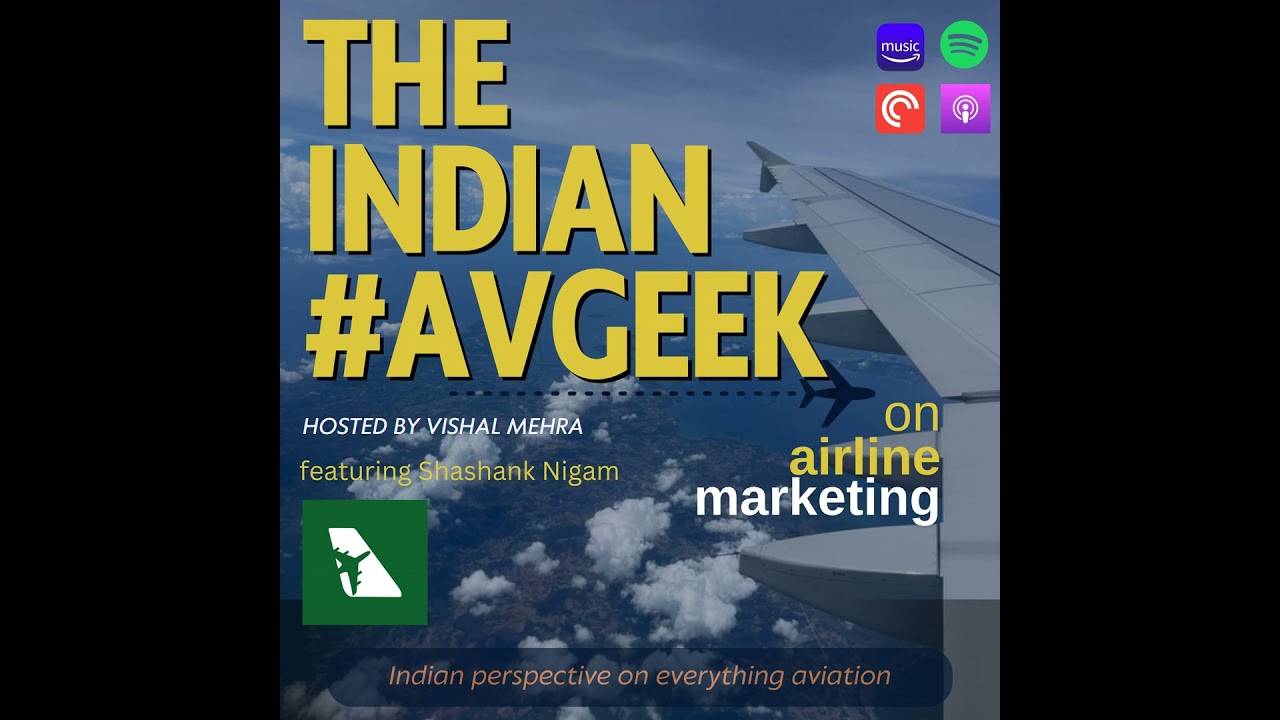
What makes airline marketing a distinct discipline episode artwork
THE INDIAN AVGEEK015 / VIDEO PODCAST
PLAY THE AUDIO HEREEpisode 15 · Full conversationAudio plays directly on The Indian Geek.
16
RELATED CONVERSATION / FROM THE ARCHIVE
Airline Marketing 101Solomon Wheeler · Brand execution at Vistara and SpiceJet
READ EPISODE 16 ↗
THE CENTRAL QUESTION / WHAT YOU NEED TO KNOW
01 / THE QUESTION

What makes airline brand strategy different from marketing other consumer categories?

02 / THE CONVERSATION IN BRIEF

Shashank Nigam connects expectations, experience, external factors and frontline execution, comparing Indian airline brands and specialist aviation suppliers.

03 / THE EDITORIAL LENS

Airlines cannot control weather or every disruption, but they remain accountable for communication and recovery when the promise breaks.

01 / THE DEEP READ

Editorial analysis

The brand promise has to survive disruption


Shashank Nigam explains why airline marketing begins with the experience passengers actually receive. Recalling the origins of SimpliFlying as an aviation-branding blog, he describes a move into consulting built around a distinction: passengers engage with airlines for much longer than they engage with many consumer products, while weather and operational disruption can shape their judgments. His six-part 6X model brings expectations, experience, externalities, expression, execution and a distinctive brand factor into the same discussion. The argument is that advertising promises need to match everyday delivery, including when circumstances are difficult.


Trust and business-to-business aviation marketing


The same emphasis on trust informs his account of work beyond passenger airlines. For engine and aircraft manufacturers, he says, the audience changes to business decision makers, so customer journeys, advisory boards and carefully targeted campaigns matter. He recalls an Engine Alliance air-show campaign built around a tweeting engine, while arguing that manufacturers need to earn trust through leadership and conduct even when order backlogs are large. Nigam also presents SimpliFlying’s pandemic health-safety ratings and subsequent sustainability practice as responses to changing trust concerns. Sustainability, in this account, requires credible action as well as communication.


The unfinished work of Indian airline branding


Looking at Indian airlines around the Vistara merger, Nigam praises Vistara’s premium positioning and wishes more of its brand equity could have survived. He admires IndiGo’s consistency, linking its advertising and product naming to a recognisable identity. Air India presents a harder challenge: he argues that leadership, staff training and service delivery must underpin the new brand while the physical product becomes more consistent. He also sees opportunities to retain heritage and showcase Indian premium brands. These are assessments of a transition in progress, rather than a verdict on a completed turnaround.


Different airport customers, different experience needs


For airports, Nigam connects effective marketing to serving different passenger needs, from quick business trips to family travel and assistance requirements. He praises Bengaluru’s experience and visual identity, while explicitly acknowledging that he had not visited its new terminal and was judging its appearance from photographs. The conversation closes with his account of positioning Bombardier’s C Series around freedom from legacy constraints. His team translated engineering and user benefits into a campaign for several audiences, illustrating his broader belief that a persuasive aviation brand needs a clear reason to matter to the people who encounter it.

EDITORIAL THESIS

Airline trust is built over the entire journey—including when the airline cannot deliver the plan.

EXPLAINING THE ARGUMENTEDITORIAL / 01

The airline brand across four moments

An editorial visualisation of the relationships and choices discussed in this episode.

01Set expectationsPositioning, booking experience and a credible product promise
02Deliver the journeyTechnology and service across airport and aircraft
03Respond to disruptionClear information and recovery protect credibility
04Maintain trustConsistency across teams and flights compounds reputation
Editorial summary of Episode 15. It does not reproduce the full proprietary 6X model discussed by Nigam.

02 / EXPLORE THE ARGUMENT

Questions & answers

What does Nigam’s 6X approach say about aviation brands?


The model joins passenger expectations, the actual experience, external disruption, expression, execution and distinctiveness. Its premise is that marketing and delivery cannot be separated.


How does marketing an aircraft engine differ from marketing an airline?


The manufacturer addresses business decision-makers and technical buyers, requiring a different journey, evidence base and set of relationships.


What can a merger do to an established airline brand?


Nigam valued Vistara’s premium equity and argued that a merger presents choices about which elements to preserve while integrating operations and products.


Why does he regard IndiGo as a branding reference point?


His assessment emphasises consistent expression, naming and service expectations. This is an interpretation of the brand at the time, not a current performance verdict.


Can airports speak to every passenger in the same way?


Nigam argues that business passengers, families and travellers needing assistance have different priorities. His observations about Bengaluru’s new terminal were based on photographs, not a personal visit.

03 / TRANSPARENCY

Sources & attribution

Supporting references and reporting notes. Select a reference to visit its source.

Original conversation: The Indian AvGeek — Episode 15. Published 10 November 2024.


Historical context: This is an editorial analysis of a conversation recorded and released in November 2024. Guest assessments, future plans, regulatory proposals and commercial claims reflect that historical discussion and are not presented as current, independently verified developments.


Editorial method: Questions and answers are carefully edited explanatory paraphrases—not verbatim interview quotations. Commentary, figures and claims requiring updated verification should be checked against the recording and contemporaneous official sources before final public release.

THE INDIAN AVGEEK / EDITORIAL EDITION 015EXPLORE MORE BRIEFINGS ↗
THE INDIAN GEEKAVIATION CONNECTS THE WORLD. ADVERTISING SHAPES HOW WE SEE IT.

AVGEEK

What makes airline marketing a distinct discipline

Shashank Nigam examines how airlines, airports and aircraft manufacturers build their brands, with perspectives on Vistara’s brand, Air India’s rebrand and IndiGo’s marketing.

The conversation

As a historic week in the world of Indian aviation continues to rumble, the world’s foremost aviation marketing expert, Shashank Nigam, joins the show to talk about iconic brands of Indian aviation. We discussed the importance of airline marketing and how it differs from the usual marketing we all know.

How airline marketing evolved into health ratings during the pandemic, marketing’s importance for leading OEMs like Boeing, Airbus, Embraer, GE, and so forth. His unfiltered thoughts on Vistara’s brand dilution, Air India’s brand revamp, Indigo’s marketing, and how Indian airports are marketing themselves.

Shashank Nigam - @SimpliFlying

Vishal Mehra - @vishal1mehra

Key Takeaways

  1. Nigam’s 6X model treats expectations, passenger experience, external factors, communication, execution and distinctiveness as connected parts of an airline brand.
  2. Aviation manufacturers need to understand business customers and their decision journeys; passenger-facing airline advertising is a different task. The C Series case illustrates translating engineering and user benefits into a common brand idea for planners, staff, pilots and passengers, as Nigam recalls the campaign.
  3. Nigam frames health-safety ratings and sustainability consulting as successive responses to changing trust concerns, with sustainability communication needing action behind it.
  4. He credits Vistara with occupying a premium position and argues that a merger can preserve useful brand equity beyond visual cues.
  5. IndiGo’s strength, in Nigam’s assessment, is sustained consistency across brand expression and product naming.
  6. For Air India, Nigam sees trained people and reliable service as foundations of the brand while the physical product improves over time.
  7. Airport marketing should reflect different passenger needs; Nigam’s praise of Bengaluru’s new terminal is qualified by his having seen photographs rather than visited it.

Additional subjects

Editorial analysis

The brand promise has to survive disruption


Shashank Nigam explains why airline marketing begins with the experience passengers actually receive. Recalling the origins of SimpliFlying as an aviation-branding blog, he describes a move into consulting built around a distinction: passengers engage with airlines for much longer than they engage with many consumer products, while weather and operational disruption can shape their judgments. His six-part 6X model brings expectations, experience, externalities, expression, execution and a distinctive brand factor into the same discussion. The argument is that advertising promises need to match everyday delivery, including when circumstances are difficult.


Trust and business-to-business aviation marketing


The same emphasis on trust informs his account of work beyond passenger airlines. For engine and aircraft manufacturers, he says, the audience changes to business decision makers, so customer journeys, advisory boards and carefully targeted campaigns matter. He recalls an Engine Alliance air-show campaign built around a tweeting engine, while arguing that manufacturers need to earn trust through leadership and conduct even when order backlogs are large. Nigam also presents SimpliFlying’s pandemic health-safety ratings and subsequent sustainability practice as responses to changing trust concerns. Sustainability, in this account, requires credible action as well as communication.


The unfinished work of Indian airline branding


Looking at Indian airlines around the Vistara merger, Nigam praises Vistara’s premium positioning and wishes more of its brand equity could have survived. He admires IndiGo’s consistency, linking its advertising and product naming to a recognisable identity. Air India presents a harder challenge: he argues that leadership, staff training and service delivery must underpin the new brand while the physical product becomes more consistent. He also sees opportunities to retain heritage and showcase Indian premium brands. These are assessments of a transition in progress, rather than a verdict on a completed turnaround.


Different airport customers, different experience needs


For airports, Nigam connects effective marketing to serving different passenger needs, from quick business trips to family travel and assistance requirements. He praises Bengaluru’s experience and visual identity, while explicitly acknowledging that he had not visited its new terminal and was judging its appearance from photographs. The conversation closes with his account of positioning Bombardier’s C Series around freedom from legacy constraints. His team translated engineering and user benefits into a campaign for several audiences, illustrating his broader belief that a persuasive aviation brand needs a clear reason to matter to the people who encounter it.

Questions & answers

What does Nigam’s 6X approach say about aviation brands?


The model joins passenger expectations, the actual experience, external disruption, expression, execution and distinctiveness. Its premise is that marketing and delivery cannot be separated.


How does marketing an aircraft engine differ from marketing an airline?


The manufacturer addresses business decision-makers and technical buyers, requiring a different journey, evidence base and set of relationships.


What can a merger do to an established airline brand?


Nigam valued Vistara’s premium equity and argued that a merger presents choices about which elements to preserve while integrating operations and products.


Why does he regard IndiGo as a branding reference point?


His assessment emphasises consistent expression, naming and service expectations. This is an interpretation of the brand at the time, not a current performance verdict.


Can airports speak to every passenger in the same way?


Nigam argues that business passengers, families and travellers needing assistance have different priorities. His observations about Bengaluru’s new terminal were based on photographs, not a personal visit.

Sources & attribution

Original conversation: The Indian AvGeek — Episode 15. Published 10 November 2024.


Historical context: This is an editorial analysis of a conversation recorded and released in November 2024. Guest assessments, future plans, regulatory proposals and commercial claims reflect that historical discussion and are not presented as current, independently verified developments.


Editorial method: Questions and answers are carefully edited explanatory paraphrases—not verbatim interview quotations. Commentary, figures and claims requiring updated verification should be checked against the recording and contemporaneous official sources before final public release.

THE INDIAN GEEK

Aviation connects the world.
Advertising shapes how we see it.